Burnout in event marketing is not a badge of honor. Here is how an events leader at SAP thinks about recovery, boundaries, and staying human through it all.
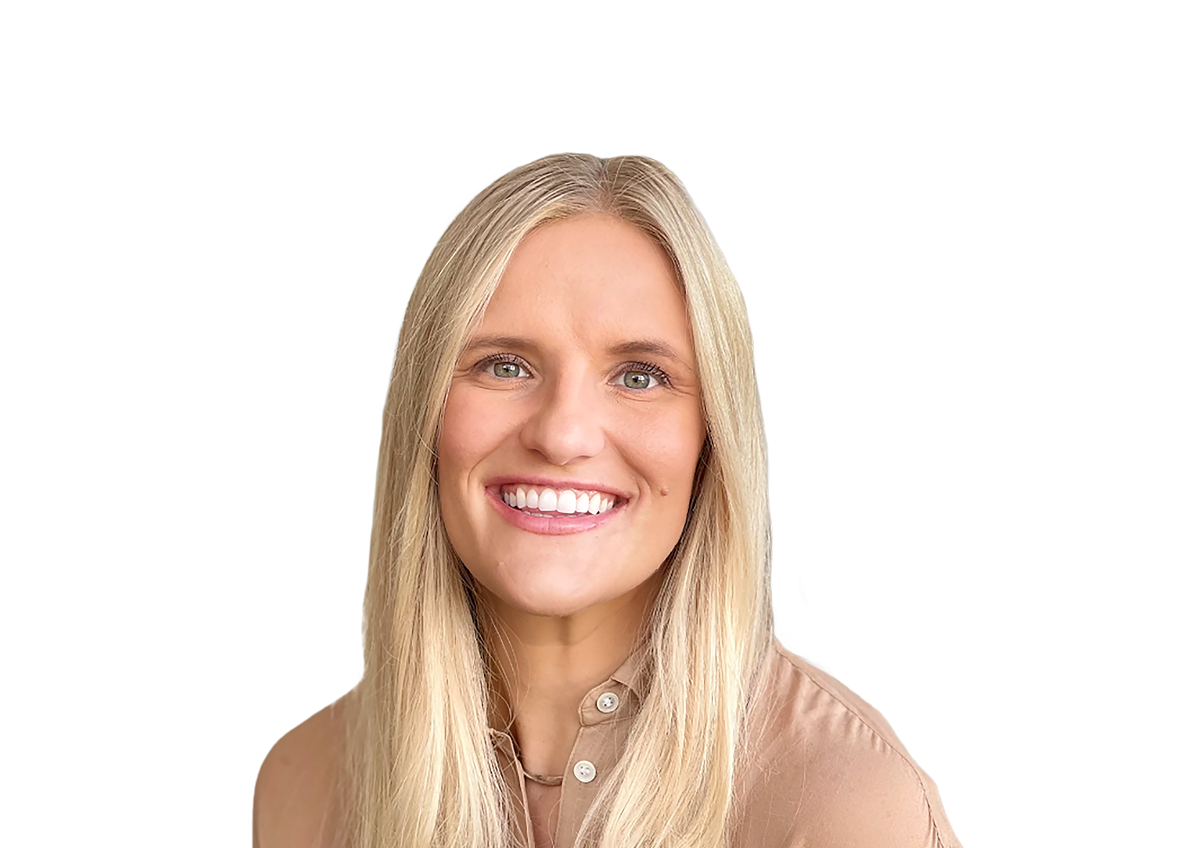
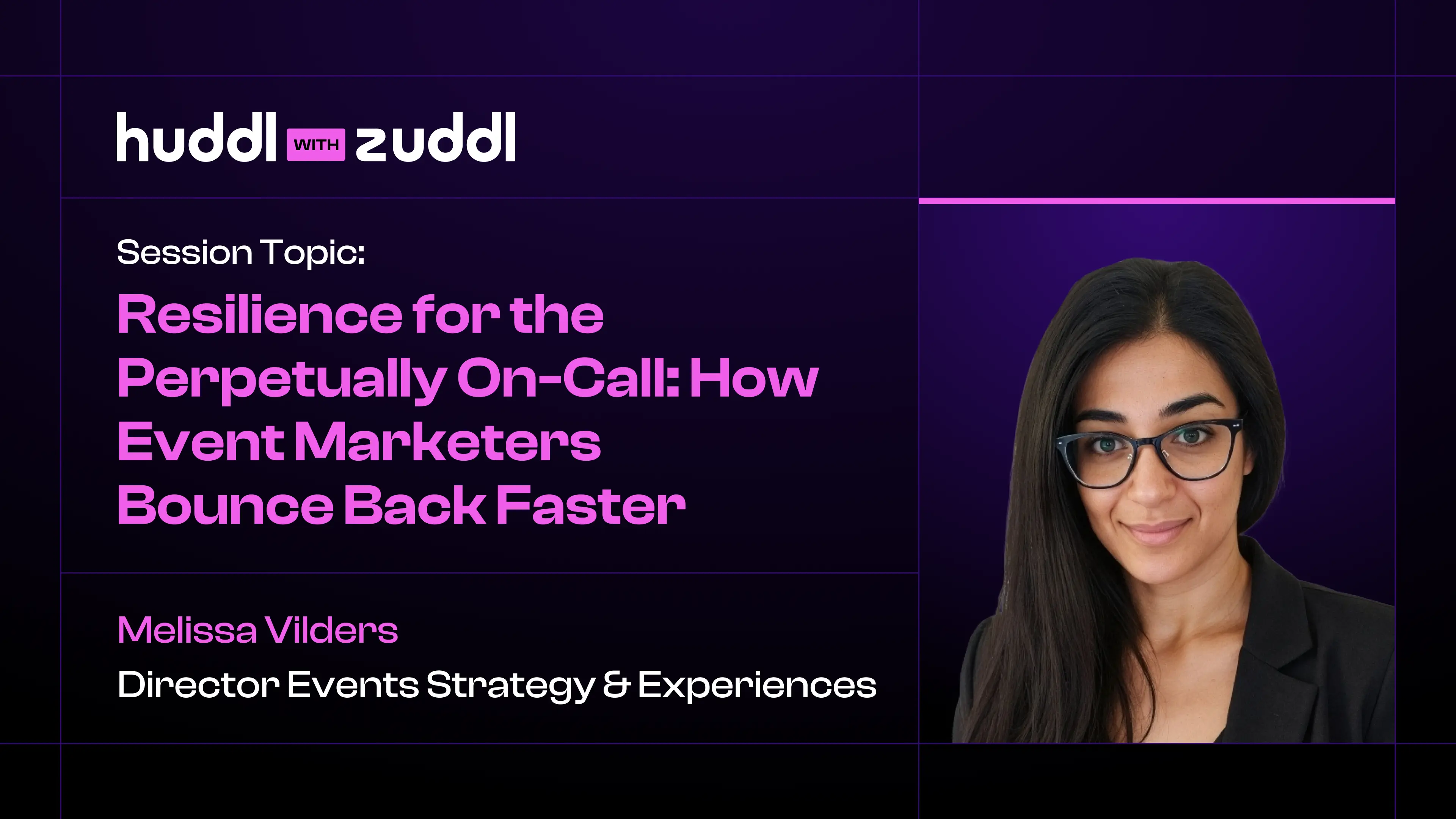
In this Huddl with Zuddl session, Stephanie Christensen from Zuddl sits down with Melissa Vilders, Director of Events Strategy & Experience at SAP, for an honest conversation about what happens after the lights go down and the attendees leave.
Melissa, our guest, has spent 15 years leading large-scale global events at SAP and has seen every side of the job, owning end-to-end programs across the world.
Here is a quick look at what they covered.
Why the post-event crash is real
Melissa starts with something most event marketers feel but rarely name. The crash after a big event is not just being tired. It is a nervous system response after weeks of running at full intensity. And if you do not understand that, you start thinking something is wrong with you.
Managing teams and tasks across time zones, absorbing last-minute changes, and fielding stakeholder pressure from every direction is just how this industry operates.
The biggest mistake in the first 48 hours
Jumping straight back into regular work. Back-to-back meetings, new projects, debriefs. Your brain is trying to recover, and you are asking it to perform at a high level without rest.
Melissa has done this herself and calls it her biggest mistake. The fix is simple: give yourself permission to stop. Block your calendar for at least 24 hours after every major event.
Expert tip: If you come into every event with your post-event plan already built, your follow-up emails drafted, and your lead handoff process ready to go, you can actually afford to take this time off.
Resetting when things go wrong on site
Melissa shares a deeply personal anchor here. She left an abusive marriage two years ago, and that experience reshaped how she handles professional stress. When something goes wrong on site, she asks herself: Is this a real problem, or does it just feel urgent right now?
Most of the time, the things planners panic about are invisible to attendees. As a leader, if you spiral, your whole team spirals, so staying calm is both a personal and professional responsibility.
Habits that actually help
Two things Melissa swears by: blocking time every other day for exercise, and blocking her calendar for 48 hours after each event with no meetings. She admits she struggled with this for a long time because she is an over-giver by nature. But it has been the single biggest thing that keeps her in a good state of mind.
We are so good at planning events and planning everything for everybody else. So why don't we plan it for ourselves?
Leading by example, not just by policy
Melissa's take on preventing team burnout comes down to modeling. If you never take time off, your team will mirror that. If you visibly take a walk, use your vacation days, and block recovery time, your team will feel permission to do the same.
She also stresses having a clear RACI in place so ownership does not get messy, keeping things fun with a team group chat, and starting the planning cycle earlier than you think you need to. If your normal cycle is three months, add a month or two just to lay the foundation.
Melissa's parting advice for anyone feeling exhausted right now: you are not alone. Remember why you do what you do, and pour into yourself as much as you pour into other people. Nothing else works if you do not.
Watch the complete video recording for more insights.