Back To All Articles

The Reason Your Event Brand Breaks at Scale and What To Do About It

Event brand drift isn’t a “brand guidelines” problem. It’s an operations problem across tools, vendors, and handoffs. See where your brand breaks across the event lifecycle and how to make “on brand” the default.

For marketing teams scaling event-driven growth, maintaining brand consistency is hard for a practical reason. Not because your brand guidelines or decisions aren't in place (your design team already knows what “on brand” looks like).

It's because event execution spans six or more tools, multiple vendors, and web dev ticket queues that don't move as fast as your event program demands.

[.ebook-q-card][.ebook-body-text] As per Forrester, nearly 28% of the largest organizations still deploy six or more event technology platforms, and only one in five has fully integrated their primary platform into their broader tech stack.[.ebook-body-text][.ebook-q-card]

With these many tools in the mix, brand consistency becomes the slow path. And when being on brand is the slow path, teams measured on pipeline do what makes sense. They ship fast. And their event brand takes a hit.

Or, the other option is to protect the brand by shipping slower. But that’s not a real option if you’re aiming for tens of events per quarter.

In this piece, we map how your brand breaks across the event lifecycle, why this gets worse at scale, why better guidelines do not solve the root cause, and what changes when operations stop forcing a tradeoff between speed and consistency.

How your brand actually breaks across the event lifecycle

Trace your attendee journey from registration to follow-up, and the brand fractures aren't where you'd expect. They're not in the hero image or the color palette.

They're in the seams. The points where one tool hands off to another, and the output no longer looks or feels like your company’s.

Here's what that looks like in practice.

Before the event

  • Your landing page lives in one system. Registration sits in another. Confirmation emails come from a third. That is three brand expressions before anyone shows up.
  • When the landing page needs an update, it often goes through a web dev ticket queue. Under tight deadlines, teams choose “on time” over “on brand.”
  • Confirmation emails default to platform styling. Your sender domain often doesn't match your company domain. Someone registers on your branded event page and gets a confirmation from noreply@eventplatform.com.

During the event

  • Badges come from a separate check-in system with its own font handling and layout constraints. Walk-ins get a default template that does not match what pre-registered attendees received.
  • Your mobile event app (if you have one) has a different UI than the desktop site. It feels like a different event entirely.
  • Your webinar studio defaults to generic overlays and platform-branded lower thirds. While your registration page promised a premium experience, the post-event page delivers a commodity one.

After the event

  • Follow-up emails come from a different sender domain, a different template, and a different visual system than the event itself.
  • On-demand content sits on a third-party player with its own UI. The replay does not match the event experience.
  • The survey goes through yet another tool. Your attendee’s last impression is a reminder that they've been moving between systems the entire time.

Every point where one tool hands off to another is a point where your event brand quietly stops being consistent.

[.ebook-q-card][.ebook-body-text]Brand inconsistency across touchpoints is not just a visual drift. It limits your revenue growth potential, too. A recent Forrester study revealed that providing a consistent, on-brand experience to customers can unlock up to 3.5X higher revenue growth.[.ebook-body-text][.ebook-q-card]

This gets worse as you scale your event program

At low volume, you can manually plug these gaps. It is painful, but possible. 

If you run four events a year, you can QA most touchpoints yourself. It costs you time, but it works.

The moment you scale to 10, 20, or 40 events across cities and formats, manual oversight becomes impossible.

Each format adds complexity and typically another tool. Webinars need a studio platform. Field events need a check-in app. Conferences need badge printing, session management, and a mobile app.

Each layer is another brand expression to govern, another set of defaults to override.

The more events you run, the more your operations need to keep up, so your brand stays consistent across the board. And the less time you have to make that happen manually. 

You can't slow down. There are quarterly targets across cities and launch windows that can’t wait long for a brand review. You can't hire a dedicated brand QA for every regional team. 

So the team does what any team measured against pipeline would do. They work around it fast. They choose “on time” over “on brand”. Not just for one event, but for most of them.

The control gap no brand guidelines can close

Brand guidelines are necessary, but not sufficient when platform constraints stand in the way.

If your landing page builder limits you to templates you can't fully customize, better guidelines won't close the gap. If your email platform forces its own header and footer, better guidelines won't override them.

Your team knows what the brand should look like. They can't execute it consistently because they're constrained by platform capabilities, vendor workflows, and what integrations preserve across systems.

[.ebook-q-card][.ebook-body-text]This is the core issue most event branding advice skips over. It treats the problem as a knowledge gap when it's actually a control gap.[.ebook-body-text][.ebook-q-card] 

You're not just renting tools. You're renting your brand's appearance at every touchpoint those tools control.

Make brand consistency a default, not an exception
Now let’s go back to the same journey from the first section, but with an operations layer built and integrated to keep up:

Before the event

  • Your team builds event landing pages directly, without web dev queues for standard or small updates. Full design control that matches your corporate brand guidelines.
  • Mobile doesn't feel like a desktop afterthought. The same build workflow handles device-specific customization by default.
  • Registration and confirmation emails are sent from your branded domain and live within the same visual system.
  • Need to launch the same event in a new city? Clone and adjust. Brand standards carry over. The 12th event looks as polished as the first.

During the event

  • Badges reflect your event brand because the system supports your fonts, layout, and colors. 
  • Walk-ins get the same badge quality as pre-registered attendees.
  • Your webinar studio carries your visual language through overlays, lower thirds, and scene layouts. The broadcast looks like your company, not the platform.

After the event

  • Follow-ups come from the same branded domain and visual system.
  • On-demand content lives in a branded library, not a third-party player with its own UI. 
  • Your attendee's last touchpoint matches their first.

With such a unified operations layer, “on brand” becomes the default output. It becomes the faster path, not the slower one.

As a result, your team doesn't have to slow down, hire more, or cut corners anymore. Brand consistency stops being something you painfully enforce and becomes something the system handles by default.

How Zuddl unifies event operations for a consistent brand experience

All of this isn't hypothetical. This is how hundreds of B2B teams using Zuddl operate every week.

From day one, Zuddl was built to unify event operations from pre-event to post-event. 

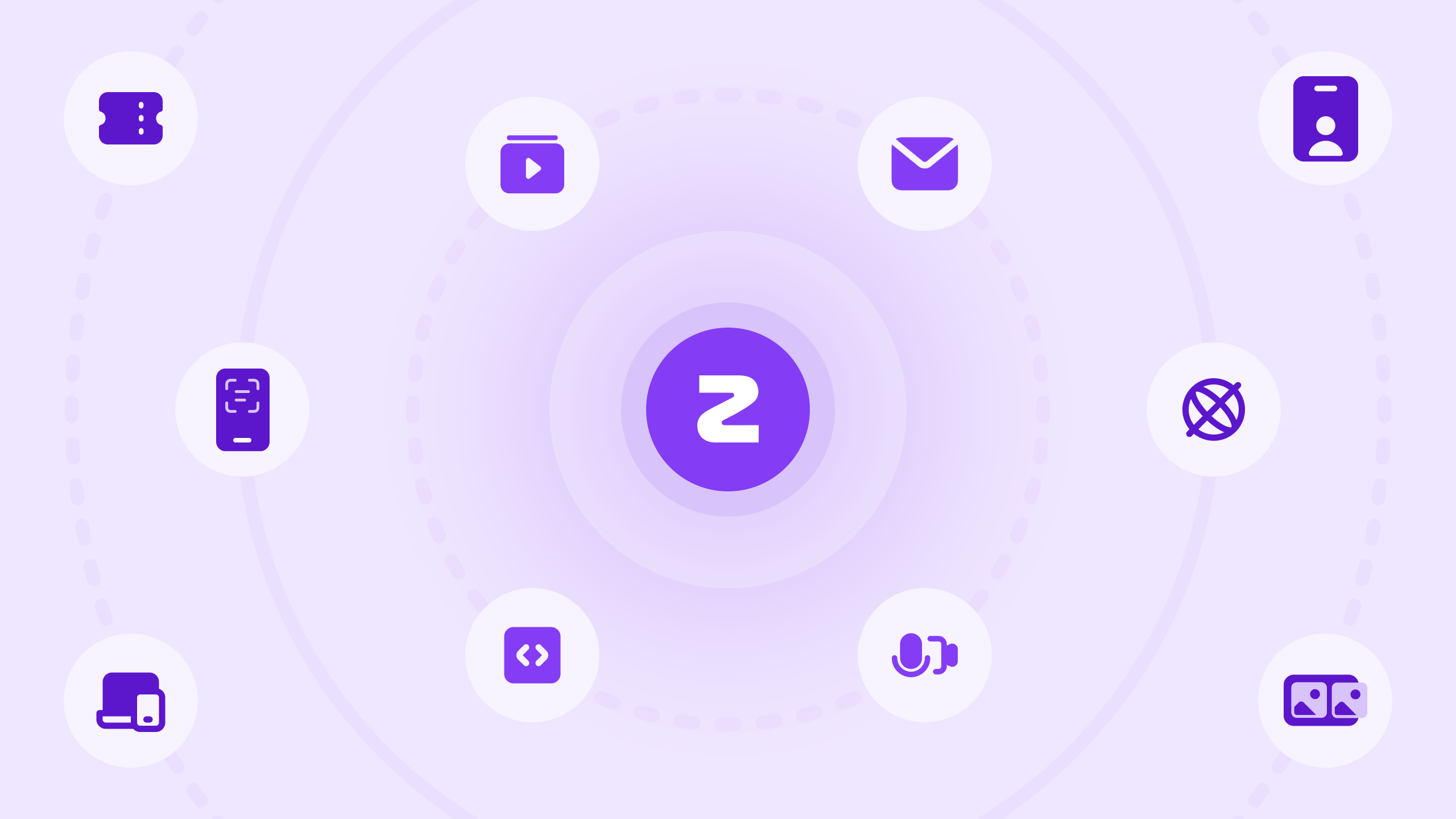
Landing pages, registration and ticketing, emails, badges, check-in, webinar studio, mobile app, on-demand content, and follow-ups all live in one system.

This gives your team consistent design control across touchpoints and eliminates handoffs that can break your event brand.

"We've streamlined our operations by dissolving multiple platforms thanks to Zuddl. Additionally, Zuddl has standardized our event landing pages, ensuring a seamless and familiar UX for our customers.” Read full review
“Zuddl allows us to have a professional-looking, branded registration and event environment when briefing media about new product launches, as well as reducing the time taken to administer the events.” Read full review
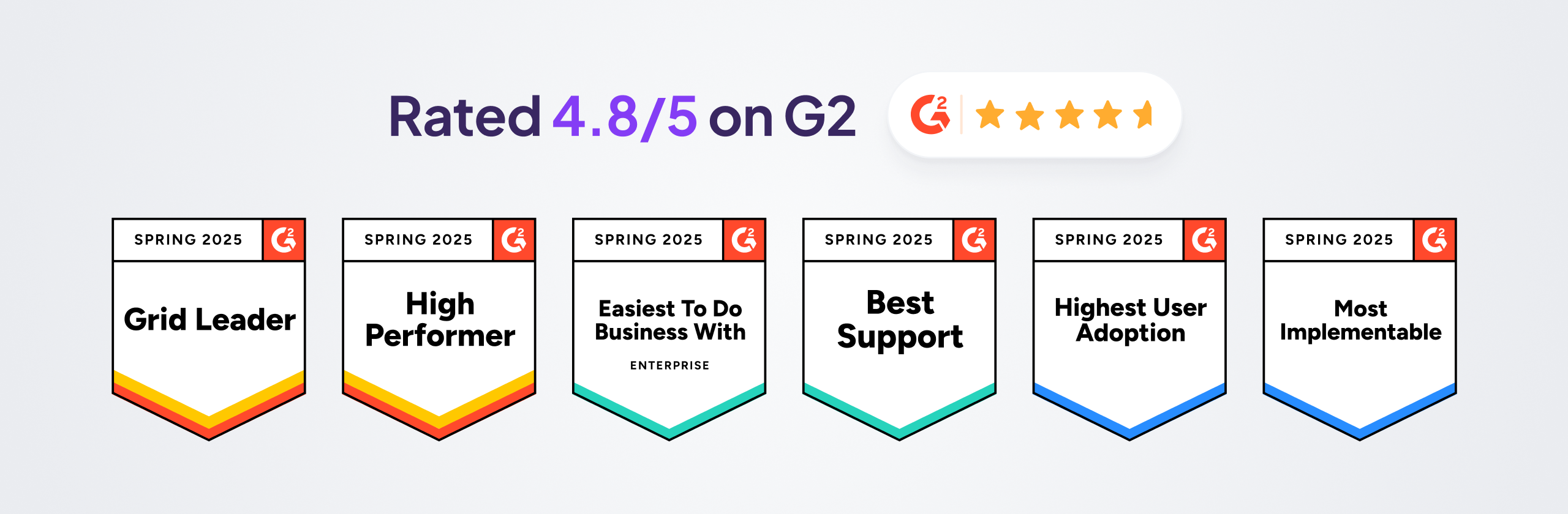
Read all reviews on G2.

You can also schedule a free demo with a Zuddl representative to see how we can help you design and run on-brand events, fast.

Subscribe to our blog

Book A Demo
Deliver your best event ever with Zuddl

Subscribe to our blog now!

Get fresh ideas, actionable insights and expert guidance for B2B events delivered directly to your inbox!

The Reason Your Event Brand Breaks at Scale and What To Do About It

For marketing teams scaling event-driven growth, maintaining brand consistency is hard for a practical reason. Not because your brand guidelines or decisions aren't in place (your design team already knows what “on brand” looks like).

It's because event execution spans six or more tools, multiple vendors, and web dev ticket queues that don't move as fast as your event program demands.

[.ebook-q-card][.ebook-body-text] As per Forrester, nearly 28% of the largest organizations still deploy six or more event technology platforms, and only one in five has fully integrated their primary platform into their broader tech stack.[.ebook-body-text][.ebook-q-card]

With these many tools in the mix, brand consistency becomes the slow path. And when being on brand is the slow path, teams measured on pipeline do what makes sense. They ship fast. And their event brand takes a hit.

Or, the other option is to protect the brand by shipping slower. But that’s not a real option if you’re aiming for tens of events per quarter.

In this piece, we map how your brand breaks across the event lifecycle, why this gets worse at scale, why better guidelines do not solve the root cause, and what changes when operations stop forcing a tradeoff between speed and consistency.

How your brand actually breaks across the event lifecycle

Trace your attendee journey from registration to follow-up, and the brand fractures aren't where you'd expect. They're not in the hero image or the color palette.

They're in the seams. The points where one tool hands off to another, and the output no longer looks or feels like your company’s.

Here's what that looks like in practice.

Before the event

  • Your landing page lives in one system. Registration sits in another. Confirmation emails come from a third. That is three brand expressions before anyone shows up.
  • When the landing page needs an update, it often goes through a web dev ticket queue. Under tight deadlines, teams choose “on time” over “on brand.”
  • Confirmation emails default to platform styling. Your sender domain often doesn't match your company domain. Someone registers on your branded event page and gets a confirmation from noreply@eventplatform.com.

During the event

  • Badges come from a separate check-in system with its own font handling and layout constraints. Walk-ins get a default template that does not match what pre-registered attendees received.
  • Your mobile event app (if you have one) has a different UI than the desktop site. It feels like a different event entirely.
  • Your webinar studio defaults to generic overlays and platform-branded lower thirds. While your registration page promised a premium experience, the post-event page delivers a commodity one.

After the event

  • Follow-up emails come from a different sender domain, a different template, and a different visual system than the event itself.
  • On-demand content sits on a third-party player with its own UI. The replay does not match the event experience.
  • The survey goes through yet another tool. Your attendee’s last impression is a reminder that they've been moving between systems the entire time.

Every point where one tool hands off to another is a point where your event brand quietly stops being consistent.

[.ebook-q-card][.ebook-body-text]Brand inconsistency across touchpoints is not just a visual drift. It limits your revenue growth potential, too. A recent Forrester study revealed that providing a consistent, on-brand experience to customers can unlock up to 3.5X higher revenue growth.[.ebook-body-text][.ebook-q-card]

This gets worse as you scale your event program

At low volume, you can manually plug these gaps. It is painful, but possible. 

If you run four events a year, you can QA most touchpoints yourself. It costs you time, but it works.

The moment you scale to 10, 20, or 40 events across cities and formats, manual oversight becomes impossible.

Each format adds complexity and typically another tool. Webinars need a studio platform. Field events need a check-in app. Conferences need badge printing, session management, and a mobile app.

Each layer is another brand expression to govern, another set of defaults to override.

The more events you run, the more your operations need to keep up, so your brand stays consistent across the board. And the less time you have to make that happen manually. 

You can't slow down. There are quarterly targets across cities and launch windows that can’t wait long for a brand review. You can't hire a dedicated brand QA for every regional team. 

So the team does what any team measured against pipeline would do. They work around it fast. They choose “on time” over “on brand”. Not just for one event, but for most of them.

The control gap no brand guidelines can close

Brand guidelines are necessary, but not sufficient when platform constraints stand in the way.

If your landing page builder limits you to templates you can't fully customize, better guidelines won't close the gap. If your email platform forces its own header and footer, better guidelines won't override them.

Your team knows what the brand should look like. They can't execute it consistently because they're constrained by platform capabilities, vendor workflows, and what integrations preserve across systems.

[.ebook-q-card][.ebook-body-text]This is the core issue most event branding advice skips over. It treats the problem as a knowledge gap when it's actually a control gap.[.ebook-body-text][.ebook-q-card] 

You're not just renting tools. You're renting your brand's appearance at every touchpoint those tools control.

Make brand consistency a default, not an exception

Now let’s go back to the same journey from the first section, but with an operations layer built and integrated to keep up:

Before the event

  • Your team builds event landing pages directly, without web dev queues for standard or small updates. Full design control that matches your corporate brand guidelines.
  • Mobile doesn't feel like a desktop afterthought. The same build workflow handles device-specific customization by default.
  • Registration and confirmation emails are sent from your branded domain and live within the same visual system.
  • Need to launch the same event in a new city? Clone and adjust. Brand standards carry over. The 12th event looks as polished as the first.

During the event

  • Badges reflect your event brand because the system supports your fonts, layout, and colors. 
  • Walk-ins get the same badge quality as pre-registered attendees.
  • Your webinar studio carries your visual language through overlays, lower thirds, and scene layouts. The broadcast looks like your company, not the platform.

After the event

  • Follow-ups come from the same branded domain and visual system.
  • On-demand content lives in a branded library, not a third-party player with its own UI. 
  • Your attendee's last touchpoint matches their first.

With such a unified operations layer, “on brand” becomes the default output. It becomes the faster path, not the slower one.

As a result, your team doesn't have to slow down, hire more, or cut corners anymore. Brand consistency stops being something you painfully enforce and becomes something the system handles by default.

How Zuddl unifies event operations for a consistent brand experience

All of this isn't hypothetical. This is how hundreds of B2B teams using Zuddl operate every week.

From day one, Zuddl was built to unify event operations from pre-event to post-event. 

Landing pages, registration and ticketing, emails, badges, check-in, webinar studio, mobile app, on-demand content, and follow-ups all live in one system.

This gives your team consistent design control across touchpoints and eliminates handoffs that can break your event brand.

"We've streamlined our operations by dissolving multiple platforms thanks to Zuddl. Additionally, Zuddl has standardized our event landing pages, ensuring a seamless and familiar UX for our customers.” Read full review
“Zuddl allows us to have a professional-looking, branded registration and event environment when briefing media about new product launches, as well as reducing the time taken to administer the events.” Read full review
Read all reviews on G2.

You can also schedule a free demo with a Zuddl representative to see how we can help you design and run on-brand events, fast.

Subscribe to our blog

Book A Demo

Subscribe to our blog now!

Get fresh ideas, actionable insights and expert guidance for B2B events delivered directly to your inbox!

Our curated hub of inspiration

Book a Demo
Book A Demo
Book A Demo
Steph’s tip for event marketers: 
Bring a simple cost-savings table like this: 
Line Item
2024 Cost
2025 Cost(after negotiation)
Cost Savings
Venue package
$200k
$170k
$30k
Lead capture tech
$18k
$12k
$6k
Then say, “This $36K savings covers the increase I’m asking for.”